

Horticultural Research Institute Announces Research Effort to Combat Phytophthora austrocedri
The Horticultural Research Institute (HRI) is pleased to announce that, in response to the recent discovery of Phytophthora austrocedri, nearly $250,000 in federal funds have been shifted to address the urgent research needs of the horticultural community.
The funds, provided through USDA Agricultural Research Service’s (ARS) Floriculture and Nursery Research Initiative (FNRI), will be used to study and manage this emerging threat to the horticulture industry. The research represents a concerted effort to safeguard valuable plant species at risk from this destructive pathogen, particularly those in the Cupressaceae family, which includes economically and ecologically important plants like cypress, arborvitae, juniper, and cedar. HRI would like to thank USDA partners Drs. Tim Rinehart, Jerry Weiland, and Nik Grunwald and Oregon State University partners Drs. Alan Peper and Mana Ohkura for working quickly to reprioritize FNRI research objectives toward this emerging issue.
Phytophthora austrocedri is a water mold that causes severe disease in woody plants, primarily affecting the roots and collar area, which leads to the decline and death of the infected plants. The pathogen is part of the broader Phytophthora genus, a notorious group that includes species responsible for diseases such as sudden oak death and potato late blight. First detected in Argentine Patagonia, where it was linked to widespread dieback of the native Austrocedrus chilensis trees, Phytophthora austrocedri has since emerged as a growing concern in other parts of the world, including the United States, where it has been detected in two Oregon nurseries.
The pathogen’s ability to survive in soil and to move with irrigation water makes it highly adaptable and difficult to control, posing a significant threat to horticultural operations, particularly nurseries and landscapes that rely on susceptible plant species.
The plants most at risk from
Phytophthora austrocedri are members of the Cupressaceae family, including popular ornamental species such as Leyland cypress and Chinese juniper. Cultivars of both species are widely used in landscaping and nursery production across the U.S. due to their aesthetic appeal, drought tolerance, and ability to provide windbreaks and privacy screens. The spread of Phytophthora austrocedri could have severe economic consequences, especially for the nursery industry, which relies on the production and sale of these plants. Additionally, this pathogen poses a risk to natural ecosystems, where native species could also be impacted, leading to broader environmental consequences.
The funding will enable researchers to explore several key aspects of this pathogen, including its biology, modes of transmission, environmental factors that contribute to its spread, and potential methods for controlling or mitigating its effects. Developing an understanding of the disease’s epidemiology will be critical for implementing effective management strategies, both in nurseries and in the broader landscape. As part of this effort, HRI is collaborating with leading plant pathologists, nursery operators, and landscape professionals to ensure that research results can be quickly translated into practical recommendations for the industry.
One of the primary objectives of this research is to develop
best management practices (BMPs) for nurseries and landscapers to prevent the spread of
Phytophthora austrocedri. BMPs will include guidelines for irrigation management, sanitation practices, and the use of fungicides or other chemical treatments that have proven effective in managing related Phytophthora species. Given the pathogen’s ability to spread through contaminated soil and water, nurseries may need to adopt stricter protocols to prevent the unintentional movement of the pathogen via plant material, tools, or irrigation water. Research will also address how the pathogen responds to environmental conditions in the Pacific Northwest, which are characterized by having cool, wet winters and warm, dry summers.
Additionally, further research is needed to explore whether certain cultivars or species within the Cupressaceae family exhibit greater resistance to the disease, which could inform future breeding programs.
This research will also involve exploring potential chemical controls that can be safely and effectively used to manage the pathogen in both nursery and landscape settings. While fungicides can sometimes provide temporary protection, the goal is to develop integrated pest management strategies that rely not only on chemical control but also on cultural practices that reduce the risk of disease introduction and spread. The possibility of biological controls, such as natural predators or antagonistic organisms that can suppress the pathogen, will also be explored.
This research will also involve exploring potential chemical controls that can be safely and effectively used to manage the pathogen in both nursery and landscape settings. While fungicides can sometimes provide temporary protection, the goal is to develop integrated pest management strategies that rely not only on chemical control but also on cultural practices that reduce the risk of disease introduction and spread. The possibility of biological controls, such as natural predators or antagonistic organisms that can suppress the pathogen, will also be explored.
The collaboration between HRI and USDA and the ability to direct funding where it is most urgently needed, underscores HRI’s commitment to addressing emergent threats within the industry and ensuring that growers, landscapers, and plant health professionals have the tools they need to protect plants from serious diseases like Phytophthora austrocedri.
As this research progresses, HRI will continue to work closely with stakeholders to share findings and recommendations, ensuring that the horticultural community is well-equipped to manage this new challenge and protect the plants that play such a vital role in both the economy and the environment.
Images
Image 1 - Lesion at the stem base. Photo used with permission of Forestry Research. Crown Copyright, Forestry Research, United Kingdom.
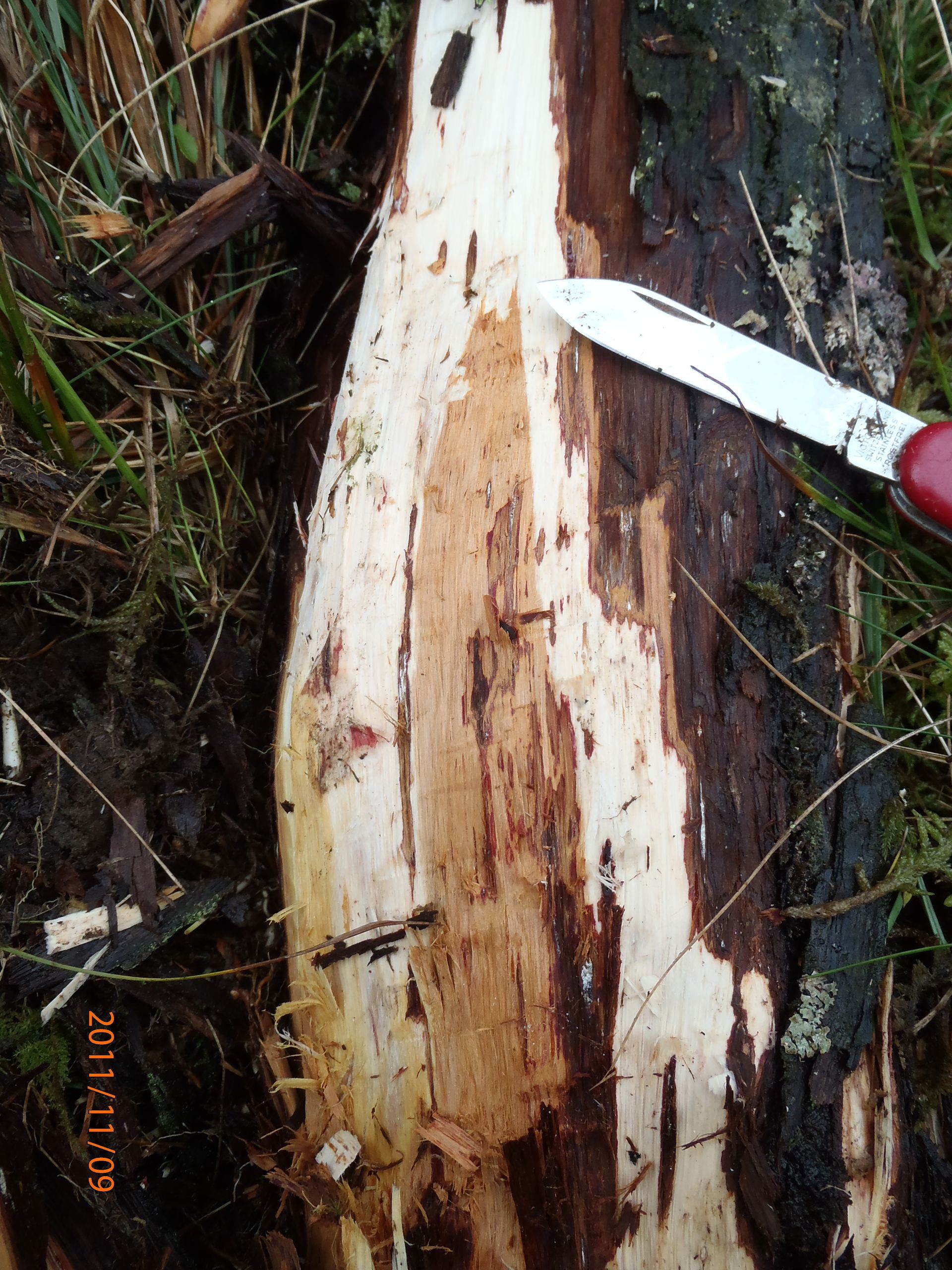
Image 2 - Phytophthora austrocedri killing juniper. Photo used with permission of Forestry Research. Crown Copyright, Forestry Research, United Kingdom.
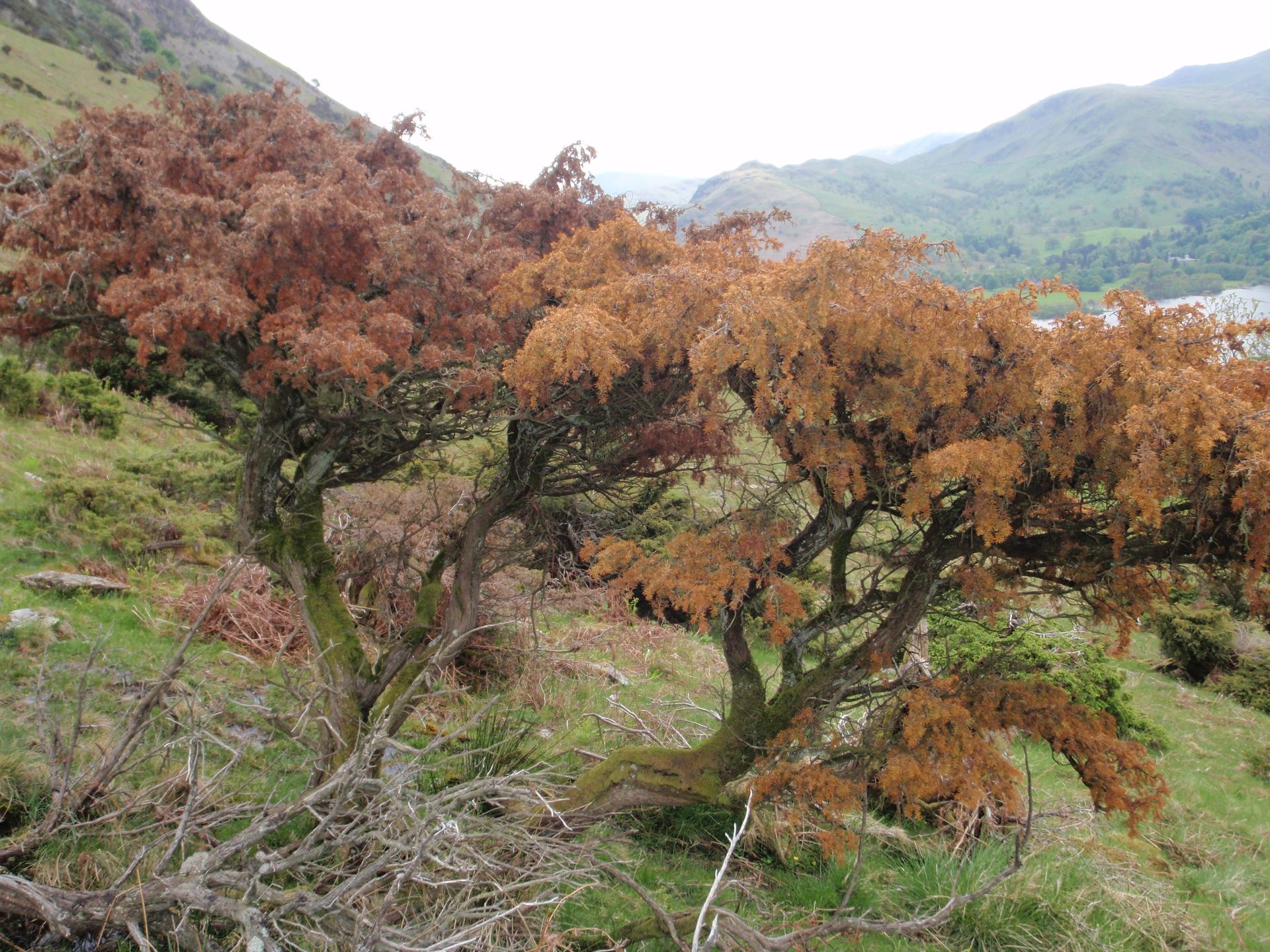
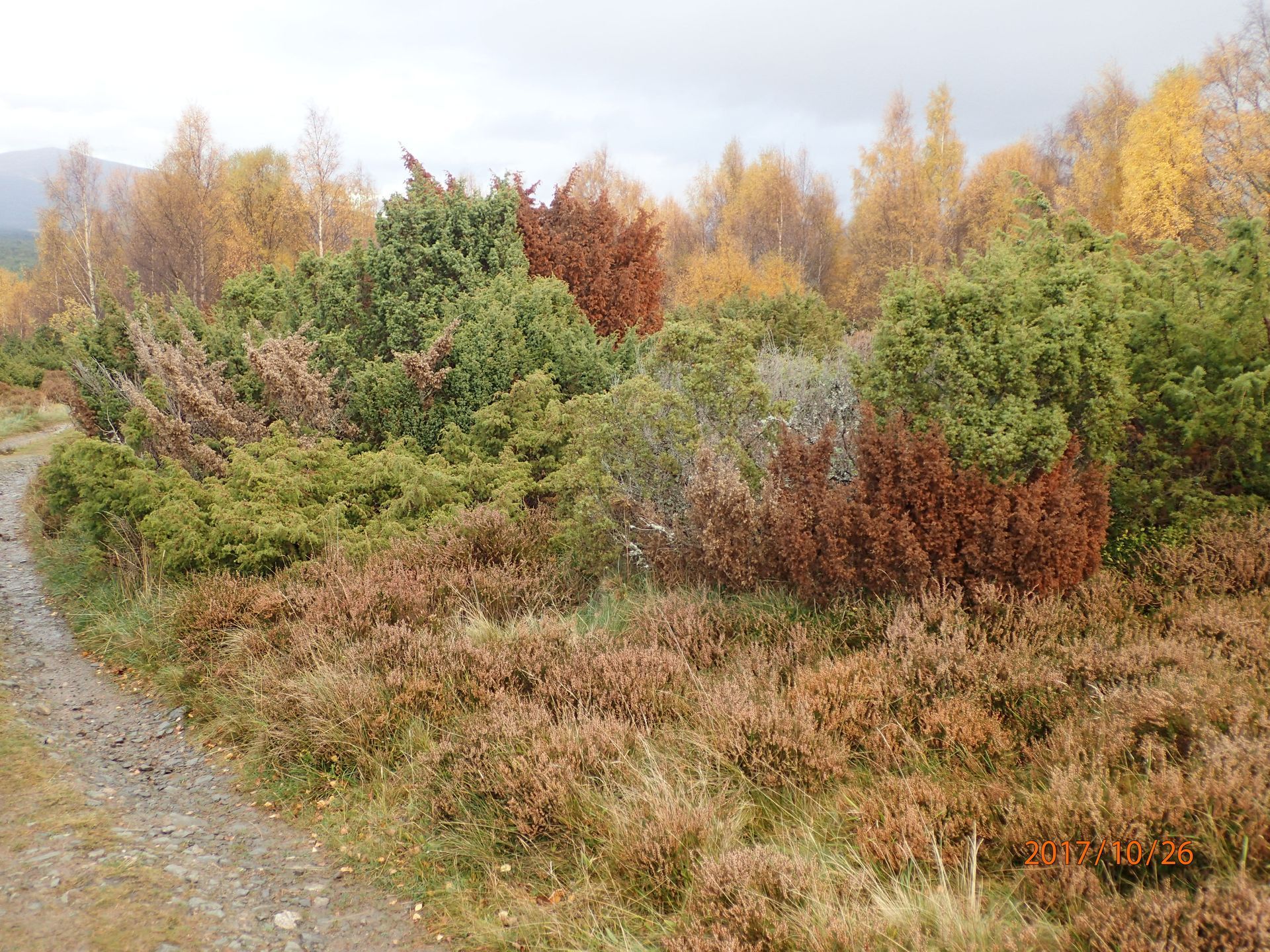
Image 3 - Dying juniper. Photo used with permission of Forestry Research. Crown Copyright, Forestry Research, United Kingdom.
Symptoms of Phytophthora austrocedri
Plants infected with Phytophthora austrocedri typically exhibit symptoms such as root and collar rot, which can lead to the gradual decline and death of the plant. Early signs include yellowing or browning of foliage, often starting at the top of the tree, and wilting of branches. As the disease progresses, the bark at the base of the trunk may crack, revealing necrotic, discolored tissue underneath. In advanced stages, the tree may show dieback of the crown, and infected roots become blackened and decayed, ultimately leading to plant death. Since these symptoms resemble those caused by other Phytophthora species, laboratory testing is often needed to confirm the presence of P. austrocedri.
Share This Post