
Urban landscapes can be important refuges for native bees and other pollinators. This talk covers why bees are critical for biodiversity and food security, why bee populations are declining, and how the gardening public can help by incorporating woody landscape plants to provide nectar, pollen, nesting sites and materials, and other resources. Following a brief overview of pollination ecology, we’ll “meet the bees”, and then discuss recent HRI-funded research that identified top native and non-native “bee magnets” amongst woody ornamental plants. The talk also explains why artificial bee “hotels” can become death traps and suggests better ways to create bee nesting sites through ordinary gardening practices. Attendees will receive PDF handouts and other information helpful for teaching others about the best trees and shrubs for bee conservation.
CABI and USDA APHIS are collaborating on the biological control of the box tree moth using parasitoids from Asia. Several parasitoid species are currently under consideration for introduction into North America and Europe. One of these parasitoids arrived in Europe on its own and has begun controlling the moth on both planted trees and in wild boxwood stands. The webinar will describe the spread and impact of this adventive parasitoid in Europe and present efforts to assess the potential of this species and others as biological control agents in North America.

Meet the HRI Leadership Academy Class of 2027. This intensive year-long program equips green industry leaders with strategic insight and business acumen.
This session will introduce the HortCalculator, an online decision-support tool designed to help ornamental growers translate farm-level data into actionable financial insights. The tool generates clear analyses of profitability, breakeven points, and return on investment, giving growers confidence to evaluate sustainable production practices and new technologies. By linking financial literacy with production decisions, the HortCalculator helps growers balance profitability and sustainability, strengthening resilience in ornamental horticulture systems. The session will highlight practical applications for nursery, greenhouse, and specialty crop operations, while also exploring opportunities for research, education, and industry partnerships to scale the tool across crops and regions.
Soilless Substrate Science (S3) is a national transdisciplinary collaboration developed to support growers as we advance to the next generation of substrates. Our team is leading North American efforts to develop new substrate materials and techniques, and working with growers to support implementation, as we support the global transition to substrates that go Beyond Peat. In this webinar, Dr. Jeb Fields will discuss the S3 team efforts surrounding identification of new substrate materials, processing and development, and grower support. We will explore wood fiber processing, sugarcane bagasse substrate development, stabilization of organic fibers, databasing substrate materials, and opportunities for growers to get involved. Overall, attendees will learn about US efforts to develop domestically-sourced substrates and advance substrate science as we move towards the next generation of substrate science. Our Speaker Dr. Jeb Fields is a production horticulturist who works with growers in Florida and throughout the country to support more effective and efficient production practices through his environmental nursery research program. Jeb’s primary interests include growing media & substrate science, irrigation & fertilizer management, whole plant-water relations and plant abiotic stress physiology. Jeb is an internationally recognized substrate scientist, the leader of the Beyond Peat project through the USDA Specialty Crops Research Initiative, and the national S3 (Soilless Substrate Science) team which pursues advancements of the global substrate industry and development sustainable substrate materials and practices, including substrate stratification. Jeb is the editor for Nursery & Landscape Insider, a biweekly e-newsletter from Ball Publishing, that reaches over 32,000 stakeholders worldwide. For his efforts, he has been recognized with numerous awards, honors, and leadership positions. Prior to joining UF, Jeb was a professor and research station director with the LSU AgCenter. Jeb studied at UF for his B.S., NC State University for his M.S., and Virginia Tech for his Ph.D. – with all degrees focusing on production horticulture.
This webinar dives into the problem of rose rosette virus. Shrub roses consist of multiple canes attached to a root system and produce beautiful spring growth in the form of new flowering stems and branches. Experts will provide an overview of how rose rosette virus first attacks flowering growth and can move throughout the stem. At the same time rosette symptoms appear in mature distinct stems of a plant and may be absent from others. The research delves into understanding how the vascular system connects the flowering stems and above ground canes. The research is to understand how virus movement between adjacent stems and only appears to cause disease in a few but not all canes of the same plant. This research is important to explore potential management approaches to safeguard rose.

The horticulture industry continues to change as new technologies, production practices, and consumer expectations reshape the marketplace. Research plays an essential role in helping growers, landscapers, and retailers adapt and succeed. That’s exactly where the Horticultural Research Institute (HRI) enters the chat. Every year, HRI selects and funds research projects that advance horticulture. In 2026, HRI is investing more than $560,000 in 18 research projects that target challenges across the horticultural supply chain, including plant production, pest and disease management, landscape plant performance, and consumer insights. “What makes HRI research so valuable is that it focuses on real challenges the industry is facing right now,” said Mark Yelanich, HRI President and Research Director at Metrolina Greenhouses. “The 2026 HRI-funded projects were selected because they develop knowledge, processes, or tools that businesses can actually use.” HRI’s four strategic research priorities guide funding decisions, focusing on quantifying plant benefits, creating innovative solutions, gathering consumer insights, and producing practical solutions to industry challenges. The 2026 projects reflect these priorities across the horticulture supply chain.
COLUMBUS, OH – March 13, 2026 – The Horticultural Research Institute (HRI), the research affiliate of AmericanHort, has announced $564,521 in research funding for 18 projects in 2026, supporting new work designed to strengthen every stage of the horticulture supply chain. The selected projects address a wide range of industry priorities, including plant propagation and production efficiency, pest and disease management, landscape plant performance, and consumer engagement with horticultural products. Together, the projects reflect the breadth of challenges and opportunities facing growers, landscapers, retailers, and allied businesses. HRI’s investments are guided by four strategic research priorities: quantifying plant benefits, creating innovative solutions, gathering consumer insights, and producing practical and actionable solutions. By aligning funding with these priorities, HRI ensures that supported research delivers meaningful benefits to the horticulture industry. “The projects funded through HRI reflect the industry’s commitment to investing in solutions that strengthen horticulture today and into the future,” said Mark Yelanich, HRI Board President and Research Director at Metrolina Greenhouses. “When businesses and researchers work together through HRI, the results benefit the entire green industry.” Creating Innovative Solutions Lean on me: the roles of microbial "friends" in ameliorating root rot disease in Rhododendron Jean Burns, Case Western Reserve University, Ohio Root rot caused by Phytophthora cinnamomi is a persistent and costly problem in Rhododendron production, often requiring repeated fungicide applications with diminishing returns. This project builds on previous HRI-funded work to identify specific beneficial fungi that naturally help plants survive pathogen pressure. Researchers will evaluate ericoid mycorrhizal fungi and multiple Trichoderma species to determine their ability to improve plant survival and growth under disease stress. By isolating and testing these microbial “friends,” the project aims to identify biological tools that can be incorporated into production systems as alternatives or complements to chemical control. Results will provide growers with science-based guidance on using beneficial microbes to reduce losses, improve plant health, and support more sustainable nursery and landscape production practices. Investigate the rooting-promoting effect of a slow-release synthetic auxin on recalcitrant woody cuttings Haiying Liang, Clemson University, South Carolina Many high-value woody ornamentals are difficult to propagate due to poor or inconsistent rooting, limiting liner availability and increasing production costs. This project will evaluate a slow-release synthetic auxin designed to improve rooting success in recalcitrant woody cuttings. Building on prior HRI-funded work that identified physiological barriers to adventitious root formation, this research will test whether a controlled-release auxin can enhance rooting percentage, root quality, and consistency across challenging species. Outcomes will provide growers with clearer guidance on propagation practices that improve success rates while reducing labor, losses, and repeated hormone applications. The results are expected to translate directly into improved propagation efficiency for nurseries producing difficult-to-root ornamental and woody crops. Transgene-Free by Design: Editing Woody Ornamentals via Agrobacterium rhizogenes-Induced Roots and TLS-Mediated Transcript Mobility Hongmin Qin, Texas A&M University, Texas This project advances a novel, transgene-free genome editing platform for woody ornamentals, using crapemyrtle as a model system. By combining Agrobacterium rhizogenes-induced root transformation with mobile gene-editing transcripts, the research aims to produce gene-edited plants without permanent foreign DNA integration. The approach targets improved cold tolerance while preserving natural pest resistance, addressing two major production constraints. If successful, this system could accelerate precision breeding in woody ornamentals while easing regulatory and consumer concerns. Outcomes will support the development of resilient cultivars adapted to broader climates, providing nurseries with innovative tools to meet future production challenges. AI-enhanced High Fidelity, Multi-stage Nursery Inventory Management of Southern Magnolia Using Intelligent Drones Patricia Knight, Mississippi State University, Mississippi Manual inventory counting is time-consuming, labor-intensive, and prone to error in nursery production. This project will develop an AI-powered drone-based system to accurately identify, count, and classify southern magnolia trees across multiple growth stages. By combining UAV imagery with machine learning models, the system will deliver real-time inventory data through a user-friendly interface. While southern magnolia serves as the model crop, the technology is designed to scale to other ornamental species. Outcomes will help nurseries improve labor efficiency, production planning, and inventory accuracy while laying the groundwork for broader adoption of precision agriculture tools in horticulture. Gathering Consumer Insights Optimizing Digital Marketing Strategies for Horticultural Products: Exploring the Role of AI and Personalization in Consumer Engagement and Sales Juan Mundel, Michigan State University, Michigan As online plant sales grow, horticultural businesses need more effective digital marketing strategies to reach today’s diverse consumers. This project will evaluate how artificial intelligence and personalized social media advertising influence consumer trust, engagement, and purchase intent for horticultural products. Building on prior research showing that culturally and demographically congruent advertising improves outcomes, this study will test AI-driven personalization approaches and disclosure practices. Results will provide growers, garden centers, and retailers with actionable guidance on using AI responsibly to increase marketing return on investment while maintaining consumer trust. Findings will help businesses improve ad effectiveness, strengthen customer relationships, and drive online and in-store plant sales. Producing Practical & Actionable Solutions Exploring effective strategies for managing vascular streak dieback using innovative chemical treatments, biological agents, and nanomaterial-based applications Fulya Baysal-Gurel, Tennessee State University, Tennessee Vascular streak dieback (VSD) has emerged as a serious and costly disease threatening redbud and other valuable woody ornamentals, causing significant plant losses, rejected shipments, and cancelled orders for nursery producers. This project will evaluate and identify effective, practical tools to manage VSD through field-based testing of fungicides, biofungicides, and novel chemical and nanomaterial-based applications. Research trials conducted under commercial nursery conditions will measure disease severity, plant health, and treatment performance to determine the most effective products and application strategies. Results will be translated into clear, actionable management recommendations, including rotation programs, to help growers reduce losses, improve crop quality, and enhance the long-term sustainability of redbud and woody ornamental production. Establishing Micropropagation Systems and Initiating Biotechnological Tools in Redbud (Cercis spp.) Hsuan Chen, North Carolina State University, North Carolina Demand for redbud continues to rise while clean, reliable liner supplies remain limited—particularly due to vascular streak dieback concerns. This project will develop scalable micropropagation systems for popular redbud cultivars and directly compare growth, quality, and performance of tissue-cultured plants versus traditional chip-bud grafted liners. By refining multiplication and rooting protocols using current cultivars, the research will provide growers with validated methods for producing uniform, disease-free liners at scale. The project also initiates biotechnological tools to support future breeding efforts, helping accelerate development of improved redbud cultivars. Outcomes will give nursery producers practical guidance on propagation options, liner sourcing decisions, and long-term strategies to strengthen redbud production capacity and resilience. Using systemic insecticides to protect container grown nursery plants from feeding damage caused by redheaded flea beetle, Systena frontalis, adults Raymond A. Cloyd, Kansas State University, Kansas Redheaded flea beetle adults can substantially reduce the marketability of container-grown ornamentals, resulting in nursery growers relying on frequent, labor-intensive foliar insecticide applications. This project will determine if systemic insecticides applied to the growing medium in containers provides season-long protection against redheaded flea beetle adult feeding damage. Researchers will test several systemic insecticide products under commercial nursery conditions. They will measure effectiveness, residual activity, and plant marketability at the end of the growing season. By identifying treatments that reduce redheaded flea beetle adult feeding damage, this research will lower labor costs associated with applying foliar insecticides and improve management of redheaded flea beetle adults. Results will provide nursery growers with practical, cost-effective management strategies that will allow them to produce marketable container-grown ornamental plants. Accelerating Root Development in Slow-Growing Nursery Stock Using Plant Growth Regulators Kristopher Criscione, Virginia Tech, Virginia Slow root development is a major bottleneck in ornamental production, often extending crop cycles and increasing costs. This project will evaluate whether targeted applications of plant growth regulators (PGRs) can stimulate faster root system development in container-grown nursery stock. By enhancing root fill and quality, plants may reach market readiness sooner or achieve higher quality within standard timelines. The research will assess application methods, substrate interactions, and production impacts under nursery conditions. Outcomes will provide growers with actionable strategies to shorten production cycles, improve liner quality, reduce labor and space constraints, and increase overall production efficiency across nursery and greenhouse systems. Protecting Plant Health: Rapid Molecular Tools for Phytophthora Surveillance in Water Systems Johanna Del Castillo Munera, University of California, Davis, California Recycled and surface water sources can harbor Phytophthora pathogens, posing a major risk to nursery and greenhouse production. This project will develop and validate rapid molecular diagnostic tools to detect Phytophthora directly from irrigation and leachate water. Building on earlier research, the project adapts recombinase polymerase amplification (RPA) assays to deliver accurate results in minutes rather than weeks. Faster detection allows growers to make timely management decisions, evaluate water treatment efficacy, and prevent pathogen spread before losses occur. Outcomes will provide the industry with practical, publicly available protocols to improve disease prevention, reduce crop losses, and support biosecure water management practices. Advancing Integrated Management for the Invasive Box Tree Moth (Cydalima perspectalis) with Biological Control, Cultivar Susceptibility, and Alternative Chemical Strategies Alejandro Del Pozo-Valdivia, Virginia Tech, Virginia Box tree moth is an emerging invasive pest capable of causing complete crop loss in a single season, threatening boxwood production nationwide. This project will advance integrated management strategies by evaluating biological control agents, cultivar susceptibility, and alternative chemical tools under controlled quarantine conditions. By identifying effective rotation options and compatible tactics, the research aims to reduce reliance on limited insecticide groups while improving control reliability. Results will help growers manage regulatory pressures, reduce labor-intensive spray programs, and protect high-value boxwood crops. The project will deliver practical guidance for nurseries and landscapers preparing for or responding to box tree moth infestations. Innovations for sustainable control of high impact bacterial diseases Jonathan Jacobs, The Ohio State University, Ohio Bacterial diseases caused by Xanthomonas and Rhodococcus affect a wide range of ornamental crops and are difficult to manage with existing tools. This project explores innovative biological control strategies using bacteriophages and beneficial Bacillus species as targeted alternatives to traditional chemical bactericides. Researchers will identify, test, and validate biological agents that suppress bacterial pathogens without harming plant quality or the environment. Outcomes will provide growers with new, sustainable disease management options that can be integrated into IPM programs, helping reduce losses, improve plant health, and meet increasing regulatory and consumer expectations for environmentally responsible production. Developing optimized micropropagation and callus regeneration systems for gardenia Wusheng Liu, North Carolina State University, North Carolina Gardenia remains a popular but challenging ornamental to propagate, with limited cutting windows and inconsistent rooting success. This project will develop efficient micropropagation and callus regeneration systems for elite gardenia cultivars, enabling year-round, large-scale liner production. By refining tissue culture protocols, the research will support consistent propagation of high-quality plants while laying the foundation for future trait improvement through biotechnology. Improved propagation systems will help nurseries meet growing demand, reduce production bottlenecks, and improve plant uniformity. Longer-term benefits include expanded market potential for gardenias through improved cold tolerance, rooting strength, and adaptability, giving growers new tools to increase profitability and resilience. Less Suckers, More Profits: Advancing Sucker Management Tools for Ornamentals Marcelo Moretti, Oregon State University, Oregon Sucker and water sprout removal is a labor-intensive, recurring task in field-grown ornamental production, significantly increasing costs and reducing efficiency. This project will evaluate alternative sucker management tools, including plant growth regulators and mechanical approaches, using ornamental Malus as a model crop. Research will focus on identifying safe, effective methods that reduce sucker growth while maintaining plant quality and form. By decreasing reliance on repeated hand-pruning, this work aims to lower labor demands, improve crop appearance, and enhance profitability for nursery growers. Results will generate field-ready recommendations that can be adopted across multiple ornamental species prone to suckering. Silencing the Threat: Develop RNAi-Based Spray Strategies for Integrated Management of Crapemyrtle Bark Scale Hongmin Qin, Texas A&M University, Texas Crapemyrtle bark scale is one of the most damaging and difficult-to-control pests affecting ornamental landscapes and nurseries. This project will develop RNA interference (RNAi)-based spray strategies that selectively silence essential genes in the pest, offering a highly targeted alternative to conventional insecticides. By focusing on species-specific gene suppression, the research aims to reduce pest populations while minimizing impacts on pollinators and beneficial insects. Outcomes will provide the industry with next-generation IPM tools that improve control efficacy, reduce chemical inputs, and lower long-term management costs for crapemyrtle and other affected hosts. Quantifying Plant Benefits Ploidy, pollinators, and plasticity: do polyploid cultivars maintain higher quality under deficit landscape irrigation while still attracting pollinators? Ryan Contreras, Oregon State University, Oregon As water scarcity and pollinator conservation increasingly shape plant selection, growers and landscapers need plants that deliver both performance and ecological value. This project examines whether polyploid cultivars—often developed for sterility and reduced invasiveness—maintain landscape quality under reduced irrigation while still supporting pollinators. Researchers will measure plant performance, water stress tolerance, and pollinator visitation to determine tradeoffs or benefits associated with polyploidy. Findings will help breeders, growers, and specifiers better understand how plant genetics influence resilience and ecosystem services. The results will support informed cultivar selection, helping the industry offer plants that meet regulatory, environmental, and consumer expectations without sacrificing landscape performance. Magnet Plants: increasing pollinator biodiversity via use of non-native, ornamental plants in gardens Gail Langellotto, Oregon State University, Oregon This project evaluates how highly attractive non-native ornamental plants—“magnet plants”—can be used strategically to support pollinator biodiversity in garden systems. By drawing honey bees away from native plants, magnet plants may reduce competition and improve coexistence between managed and wild pollinators. Researchers will measure pollinator visitation, diversity, and behavior in mixed plantings to document ecological benefits. Results will provide evidence-based guidance for growers, landscapers, and retailers on how non-native ornamentals can contribute positively to pollinator conservation. The findings have the potential to reshape consumer narratives, support sustainable landscape design, and expand market opportunities for pollinator-supportive ornamental plants. Stress Relief, Social Bonding, and Consumer Interest Through Plant Gifting and Cooperative Garden Tasks Among Young Adults with Disabilities Xuan (Jade) Wu, Texas A&M AgriLife Extension, Texas This project examines how plant gifting and shared garden activities influence stress reduction, social connection, and consumer interest among young adults with disabilities. By measuring physiological stress, mood, social bonding, and purchase intent, the research will generate evidence-based insights into the wellness and social value of plants. Findings will help garden centers and public gardens develop inclusive, experience-based programming that positions plants as tools for connection and well-being. Outcomes will provide the industry with science-backed messaging and programming ideas that support both community engagement and increased plant sales. The HRI-supported projects will explore solutions to industry challenges, with a focus on sustainability, efficiency, and the overall well-being of the horticultural businesses. As the Horticultural Research Institute continues to support research, the impact of these projects is expected to extend to all segments of the industry. Applications for 2027 research grant funding are being accepted at HRI’s website now through May 31, 2026.
Weed infestations can begin in propagation then persist through the production cycle. Sanitation practices prevent the spread of weeds into propagation areas, while mulches and pre-emergence herbicides are used to suppress weed seed germination and growth during propagation. Explore best management practices for preventing weed infestations in greenhouse and nursery propagation systems. In this session, growers will learn about mulch products and pre-emergence herbicides that can be safely used in cutting and seedling propagation to reduce labor costs associated with hand weeding.

As experienced growers retire and operations grow more complex, horticulture businesses are asking a critical question: who is coming next?
Learn how your nursery production practices can impact boxwood blight risk and your potential for outbreaks. Whether you’re currently dealing with this disease or working to prevent it, understanding key risk factors is essential for protecting your entire boxwood inventory. Join plant disease expert Jerry Weiland as he examines real-world case studies demonstrating how boxwood blight enters nurseries and spreads via common production activities. This webinar will cover critical factors that influence disease development and spread, including plant size and spacing, cultivar selection, environmental conditions (temperature and moisture), and fungicides. You’ll leave with practical management recommendations and actionable strategies for preventing and controlling boxwood blight in your operation.
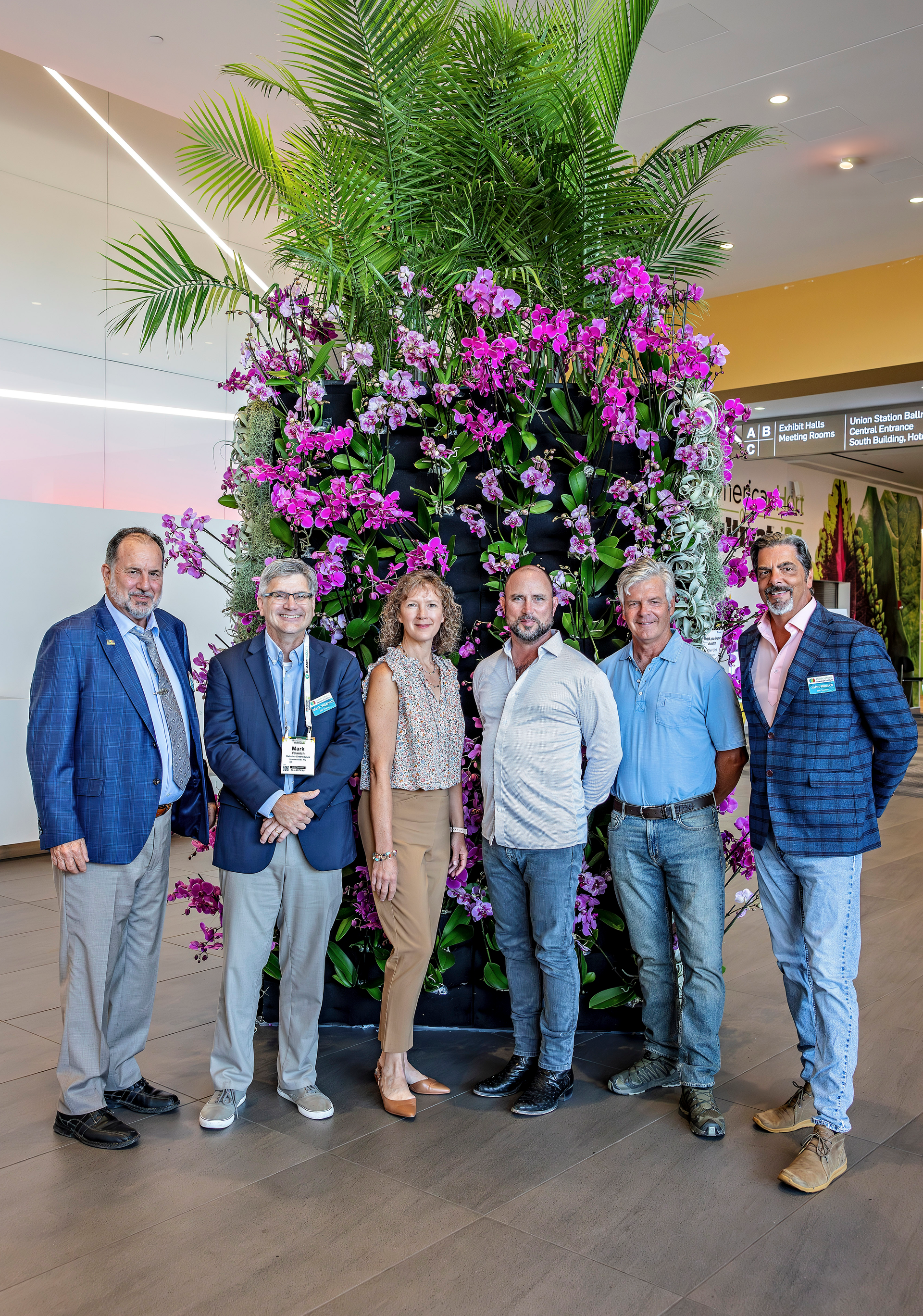
HRI recognizes outgoing trustees Leigh Geschwill and Ed Bemis for outstanding service and stewardship

Recent headlines about global insect declines and three billion fewer birds in North America are a bleak reality check about how ineffective our current landscape designs have been at sustaining the plants and animals that sustain us. Such losses are not an option if we wish to continue our current standard of living on Planet Earth. The good news is that none of this is inevitable. Choosing the right plants for our landscapes will not only address the biodiversity crisis but help fight our climate crisis as well. Tallamy will discuss simple steps that each of us can- and must- take to reverse declining biodiversity, why we must change our adversarial relationship with nature to a collaborative one, and why we, ourselves, are nature’s best hope.
The two-spotted cotton leafhopper (also known as cotton jassid) is an emerging pest of growing concern for both cotton and ornamental plant production. This webinar will bring together leading experts to share the latest research and management strategies to help growers identify, monitor, and control this insect.
COLUMBUS, OH – July 22, 2025 – The Horticultural Research Institute (HRI) and AmericanHort are proud to announce the HRI Leadership Academy Class of 2026, a cohort of accomplished professionals from across the green industry who are poised to take their leadership to the next level. These individuals, representing various industry segments and career paths, were selected for their commitment to horticulture and their desire to help shape the industry's future. The HRI Leadership Academy is a one-year advanced leadership program designed for experienced horticulture professionals looking to elevate their influence and expand their strategic thinking and business skills. Built around in-person classes, peer collaboration, and mentorship, this program prepares leaders to confidently navigate business challenges, drive innovation, and spark positive change in their businesses, the industry, and their communities.
It is neither economically sustainable nor environmentally acceptable to make multiple fungicide applications to protect boxwood, a key nursery crop and iconic landscape plant, from boxwood blight.
COLUMBUS, OH – March 4, 2025 – The Horticultural Research Institute (HRI), the research affiliate of AmericanHort, has completed its annual competitive research grants review process, selecting 16 projects to receive $531,900 in funding for 2025. Each year, HRI’s grant program supports research that addresses emerging challenges and opportunities across the green industry. The 2025 portfolio includes projects focused on plant production systems, pest and disease management, new technologies, and consumer insights that help horticultural businesses remain competitive in a rapidly evolving marketplace. The selected projects reflect HRI’s strategic research priorities: quantifying plant benefits, creating innovative solutions, gathering consumer insights, and producing practical and actionable solutions. These priorities help ensure that HRI-funded research not only advances scientific understanding but also delivers practical tools and knowledge for industry professionals. HRI Board President Jonathan Berry of J. Berry Nursery (Texas) emphasized the importance of maintaining a strong research pipeline for the future of horticulture. “Industry-supported research is essential for helping growers and businesses respond to new challenges and opportunities,” Berry said. “The projects selected this year represent the kind of forward-thinking work that will continue moving horticulture forward.” The funded projects are: Recommend VSD-Resistant Redbuds for Immediate Use by Nurseries Hsuan Chen, North Carolina State University Redbuds, valued for their vibrant blooms and contributing approximately $28.4 million to the U.S. economy, face a growing threat from vascular streak dieback (VSD). The disease has caused many nurseries to abandon redbud production. However, resistance observed in a related species, Cercis chinensis, suggests that other Cercis materials may also possess VSD tolerance. This project will identify VSD-resistant Cercis species within germplasm collections at the U.S. National Arboretum and the JC Raulston Arboretum at North Carolina State University. These collections include materials that are legally accessible to the nursery industry for immediate use. The project will also evaluate effective propagation methods for these resistant species. The research aims to secure the future of redbud cultivation by identifying and recommending VSD-resistant Cercis materials while expanding the genetic resources available to breeders. The results are expected to provide near-term solutions for nursery producers while also supporting long-term breeding efforts. Identification of Thrips Pheromones for Sustainable Thrips Control in Horticultural Crops Man-Yeon Choi, Oregon State University and USDA-ARS Thrips are a major global agricultural pest, causing damage to leaves, flowers, and fruit in horticultural production systems. Among them, western flower thrips are particularly destructive, feeding on plant tissues and transmitting economically important plant viruses. This project aims to identify active pheromone components that can be used to develop biologically based, environmentally friendly tools for thrips management. By identifying and characterizing these pheromones, the research seeks to support the development of sustainable pest management strategies for horticultural crops. The results and methods developed through this work may also contribute to the biological management of other invasive thrips species in the future. Determining Genetic Regulation of Drought Stress Tolerance in Woody Plants Ryan Contreras, Oregon State University This project addresses growing global water scarcity by investigating drought tolerance in horticultural crops, with a focus on identifying plant varieties that require less water. The research will examine drought tolerance in polyploid cultivars across four woody plant taxa to determine whether increased chromosome sets contribute to improved stress resilience. Researchers will conduct comparative genetic analyses between polyploid cultivars and standard cultivars to identify gene expression patterns associated with improved water-use efficiency. These insights will help clarify the biological mechanisms that enable plants to survive under limited irrigation. Findings from this work will inform breeding strategies aimed at developing new plant varieties that perform well in water-limited landscapes, supporting more sustainable horticultural production systems. Genetic Tools for Developing Boxwood Cultivars Resistant to Box Tree Moth (Cydalima perspectalis) Theresa Culley, University of Cincinnati Boxwoods are among the most widely planted landscape shrubs in North America, representing a complex group of Asian and European species and more than 150 cultivars. The industry now faces a major challenge with the arrival of box tree moth, an invasive pest from eastern Asia that has already spread through the ornamental plant trade in Europe. Larvae of the moth can rapidly defoliate plants, threatening the economic viability of boxwood production. Although insecticides can provide control, no boxwood cultivars currently offer resistance to the pest. This project will use genetic DNA markers and molecular techniques to identify boxwood plants with resistance to box tree moth. These plants will be evaluated through host preference trials and used as the foundation for developing resistant cultivars for commercial production. The research aims to provide new tools to help the industry manage this emerging pest. Predicting Site-Specific Substrate Temperature to Improve Fertilizer Efficiency and Root Health Darren T. Drewry, The Ohio State University High temperatures can negatively affect crop growth, particularly for container plants grown in outdoor nursery environments. Excessive substrate temperatures can damage roots, limiting water and nutrient uptake and increasing plant susceptibility to environmental stresses. This project will use advances in machine learning and remote sensing to develop models capable of predicting near real-time, site-specific substrate temperatures. By combining weather data and simple sensor observations, the research aims to create tools that help growers better understand and manage root-zone conditions. The project seeks to demonstrate how widely available sensor data can support improved crop management decisions, ultimately helping growers maintain plant health while improving resource efficiency and profitability. Parasitoid Exploration for Biological Control of Box Tree Moth in North America Marc Kenis, CABI (Switzerland) This project advances a classical biological control program targeting the invasive box tree moth (BTM). Field explorations in Asia have identified promising parasitoid species, including Eriborus sp. and Braunsia hodorii, which have demonstrated parasitism rates of up to 96% in natural environments. The project will focus on evaluating these parasitoids and conducting host-specificity testing in quarantine facilities in Switzerland and the United States to ensure environmental safety. Early results suggest that Eriborus sp. shows strong specificity to BTM, supporting its potential as a safe biological control agent. Successful introduction of these parasitoids could provide long-term protection for the U.S. boxwood industry, valued at approximately $170 million annually, while reducing reliance on chemical control methods. The Impact of Irrigation Restrictions on Establishment of Newly Planted Landscape Trees Ryan Klein, University of Florida This project examines how watering restrictions may affect the establishment of newly planted landscape trees in Florida. Irrigation recommendations for many landscape trees have not been experimentally tested under reduced watering durations, creating uncertainty for growers and landscape professionals. Researchers will evaluate the establishment of southern live oak (Quercus virginiana) under irrigation durations of 0, 30, 60, 90, and 120 days. The study will assess how these watering regimes influence tree health and establishment success. The findings will provide research-based guidance for nurseries, landscapers, and municipalities managing landscape trees under water-limited conditions, helping support sustainable landscape practices while maintaining plant health. Investigating Temperature Stress in Apple Rootstock Decline Shanthanu Krishna Kumar, Penn State University Rapid tree decline has emerged as a major challenge in U.S. apple orchards and nurseries, leading to sudden tree death and economic losses. Recent research suggests that cold damage, particularly rapid temperature fluctuations, may play a key role in this phenomenon. This study will evaluate the cold-shock tolerance of ten widely used apple rootstocks using physiological and molecular measurements. The research aims to identify rootstocks that are more susceptible to temperature stress. The results will provide nurseries with data-driven recommendations for rootstock selection and support future breeding efforts to develop cold-tolerant rootstocks. Advancing Cold-Tolerant Begonias Through Genome Sequencing Yu Ma, The Ohio State University Extreme weather events and sudden temperature fluctuations pose challenges for the floriculture and nursery industries. Many ornamental crops, including begonias, are sensitive to cold temperatures. This project will sequence and assemble a high-quality genome for Begonia grandis, a hardy species capable of surviving low temperatures. By identifying genes associated with cold tolerance, the research aims to develop molecular tools that support breeding efforts. These tools will help breeders develop new begonia varieties with improved cold tolerance, reducing crop losses and expanding the geographic range where begonias can be grown. PlantSafe: An Intelligent Leaf Disease Diagnostic Application for Ornamental Crops Md Sultan Mahmud, University of Georgia Plant diseases can reduce crop quality and profitability in ornamental production systems. Early detection and accurate diagnosis are essential for preventing disease spread and minimizing economic losses. This project will develop PlantSafe, a mobile application designed to quantify the severity of leaf spot and powdery mildew diseases in ornamental shrubs. Using image analysis, the app will allow growers to monitor disease progression and evaluate treatment effectiveness. The technology will support data-driven decision-making for disease management while helping optimize agrochemical use and improve plant health. Preparing the Horticulture Industry for Red Star Rust Brandon Miller, University of Minnesota Red star rust is an emerging fungal pathogen that infects both Malus species (apple and crabapple) and Juniperus species. The disease has been detected in multiple states and poses potential risks to nursery production and landscape plantings. This project will evaluate red star rust incidence and host susceptibility under field conditions. The research will also develop educational materials to help nursery and fruit producers recognize and manage the disease. The results will support proactive disease management strategies and improve preparedness within the horticulture industry. A Grower’s Guide for Soilless Nursery Production Lloyd Nackley, Oregon State University Soilless production systems account for approximately 68% of U.S. nursery and floriculture output. Despite their widespread adoption, growers often lack a single comprehensive resource that compiles best practices for substrate-based production. This project will develop a national guide for soilless nursery production, bringing together current research on substrate materials, technologies, and management practices. The guide will translate scientific findings into practical recommendations for growers. The resource will be hosted on the Horticultural Research Institute website and updated as new research emerges, providing a long-term reference for nursery professionals. Calibrating Aerial Drones for Herbicide Applications in Container Nurseries Joe Neal, North Carolina State University This project will evaluate the use of aerial drones for applying granular preemergence herbicides in container nurseries. The research will develop guidelines for drone-based herbicide delivery to improve application accuracy and distribution. By increasing precision and automation, drone technology could reduce labor costs associated with traditional herbicide applications while maintaining effective weed control. The project will also explore environmental benefits by supporting more targeted chemical applications. The findings are expected to help nurseries integrate emerging technologies into production systems while improving efficiency and sustainability. Who Stops to Smell the Roses? Understanding Sensory Consumers Alicia Rihn, University of Tennessee Plant shopping is often a sensory experience that includes sight, scent, and touch. While online purchasing offers convenience, some consumers may prefer the sensory engagement of in-person shopping. This research will identify and profile “high-touch” and “high-scent” consumers through national online surveys. The study will examine how sensory descriptions influence plant purchasing behavior in both retail stores and online environments. The findings will help producers, retailers, and marketers better understand how sensory experiences influence consumer decision-making. Using UV-C Light to Manage Western Flower Thrips in Greenhouse Ornamentals Margaret Skinner, University of Vermont Western flower thrips are a major pest in greenhouse ornamental production. They damage plants through feeding and can transmit plant diseases. Resistance to chemical pesticides has become increasingly common. This project will evaluate the use of ultraviolet light (UV-C) as a pest management tool. Researchers will adapt a UV-C device designed to treat the undersides of leaves, where thrips commonly feed and lay eggs. The study will determine how UV-C treatments affect thrips survival, egg laying, and larval development while ensuring that light doses do not harm plants. Identifying Genetic Markers for Rose Black Spot Resistance Seth Wannemuehler, University of Minnesota Rose black spot, caused by Diplocarpon rosae, is a major foliar disease affecting garden roses. The disease causes leaf discoloration, defoliation, and reduced plant vigor. This project will sequence the genome of the rose cultivar Brite Eyes™, which demonstrates broad resistance to multiple races of the pathogen. Researchers will identify candidate resistance genes and develop molecular markers for breeding programs. The results will help breeders develop roses with improved disease resistance while reducing reliance on chemical controls. The HRI-supported projects will explore solutions to industry challenges, with a focus on sustainability, efficiency, and the overall well-being of the horticultural businesses. As the Horticultural Research Institute continues to support research, the impact of these projects is expected to extend to all segments of the industry.
Columbus, OH - The Horticultural Research Institute (HRI), the research affiliate of AmericanHort, is excited to announce that it is now accepting research grant proposals for fiscal year 2026. HRI’s competitive grants program supports projects that directly impact and advance the green industry, providing funding for research on significant topics such as plant health, pest management, understanding consumer behavior, production efficiencies, and quantifying plant benefits.

COLUMBUS, OH – The Horticultural Research Institute (HRI) is excited to announce that applications are now being accepted for its 2025 scholarship program. With more than $50,000 in funding available, these scholarships demonstrate HRI’s deep commitment to advancing the horticultural field through supporting student education.
COLUMBUS, OH – The Horticultural Research Institute (HRI) is proud to announce Dante Filadoro as the 2024 recipient of the Timothy S. and Palmer W. "Bill" Bigelow, Jr. Scholarship. Established in 1988 by the Bigelow family, this scholarship aims to support students from New England pursuing careers in horticulture, honoring the memory of Timothy Bigelow and celebrating the legacy of Palmer W. "Bill" Bigelow.
COLUMBUS, OH – (November 12, 2024) The Horticultural Research Institute (HRI) announces the opening of the HRI Leadership Academy Class of 2026 application window. This one-year leadership program is designed to develop the skills green industry leaders need to perform better, grow faster, and prepare for the future. “As we enter the fourth year of the HRI Leadership Academy, this program is driving the development of the next generation of leaders in the green industry. Our commitment is to empower passionate, dedicated individuals ready to lead the future of horticulture, and we can’t wait to welcome those who want to make a lasting impact,” said Leigh Geschwill, HRI Board President. The HRI Leadership Academy offers horticulture leaders a unique opportunity to enhance their leadership skills, broaden their horticultural knowledge, and connect with professionals across the industry. The academy is designed to give participants a comprehensive approach to leadership development through in-person training sessions and online classes and meetings. Applications will be evaluated on demonstrated leadership qualities, past evidence of or estimated future potential for contribution to the green industry, ability to consider the broader interests of the community, the applicant’s character and ability to grow because of this experience, and personal and employer commitment to the program. Preference will be given to candidates with at least five years of leadership experience and seven years of relevant industry work experience. “The HRI Leadership Academy is a critical investment in shaping our industry’s future. Graduates of the academy develop enhanced leadership skills to grow their companies, drive innovation, and strengthen the entire industry,” said Ken Fisher, AmericanHort President and CEO. “By cultivating leaders who are equipped to face the challenges of tomorrow, we are ensuring the long-term success of individual businesses, our communities, and the industry as a whole.” Application Timeline: Application Window: Open now until February 7, 2025 Interviews: March and April 2025 Class Selection and Notification: May 2025 Class Announcement: Cultivate'25, July 12-15, 2025, in Columbus, OH There is no fee to apply and AmericanHort covers program tuition. Applications should be submitted through the HRI Leadership Academy website during the application window. All applicants will be considered, and successful candidates will be chosen based on their commitment to the industry, leadership potential, and potential to contribute to the horticultural community. For more information about the HRI Leadership Academy and to download a program brochure, please visit HRILeadershipAcademy.org . ### About the Horticultural Research Institute (HRI) The Horticultural Research Institute (HRI), founded in 1962, has provided more than $9.5 million in funds to research projects covering a broad range of production, environmental, and business issues important to the green industry. Over $19 million is committed to the endowment by individuals, corporations, and associations. For more information about HRI, its grant-funded research, or programming, visit For more information about the HRI Leadership Academy and to download a program brochure, please visit HRILeadershipAcademy.org . About AmericanHort Green industry businesses perform better, grow faster, and prepare for the future as a member of AmericanHort, the green industry’s leading association. With a rich history of serving horticultural professionals, AmericanHort supports 20,000 members and affiliated businesses that include breeders, greenhouse and nursery growers, garden retailers, distributors, interior and exterior landscape professionals, florists, students, educators, researchers, manufacturers, and all of those who are part of the industry market chain. The horticulture industry's production, wholesale, retail, and landscape service components have annual sales of $346 billion, and sustain over 2.3 million full- and part-time jobs. AmericanHort works to impact the growth, performance, and successful future for the industry through advocacy, research, education, and advancing industry standards.

Columbus, Ohio – November 7, 2024 — The Horticultural Research Institute (HRI), the leading industry foundation dedicated to advancing horticultural education and research, proudly announces Elliott Kenney as the 2024 recipient of the prestigious Carville M. Akehurst Memorial Scholarship. This scholarship was established in 2002 by the Mid-Atlantic Nursery Trade Show, Inc. (MANTS) to honor Carville M. Akehurst’s significant contributions to the horticulture industry and his commitment to education.

Our hearts are heavy, yet our minds and memories are filled with fond recollections of the life, career, and innumerable achievements and contributions of Peter Orum, 82, who passed October 17, 2024,

The Horticultural Research Institute (HRI) is pleased to announce that, in response to the recent discovery of Phytophthora austrocedri , nearly $250,000 in federal funds have been shifted to address the urgent research needs of the horticultural community.
Explore the hidden world of boxwood microbiomes and how they impact plant health in this webinar summary. Learn about beneficial microbes, the effects of fungicides and antidesiccants, and how research on soil microbiomes is paving the way for sustainable boxwood cultivation. Discover how mycorrhizal fungi can enhance blight tolerance and why soil may be a reservoir for pathogens.
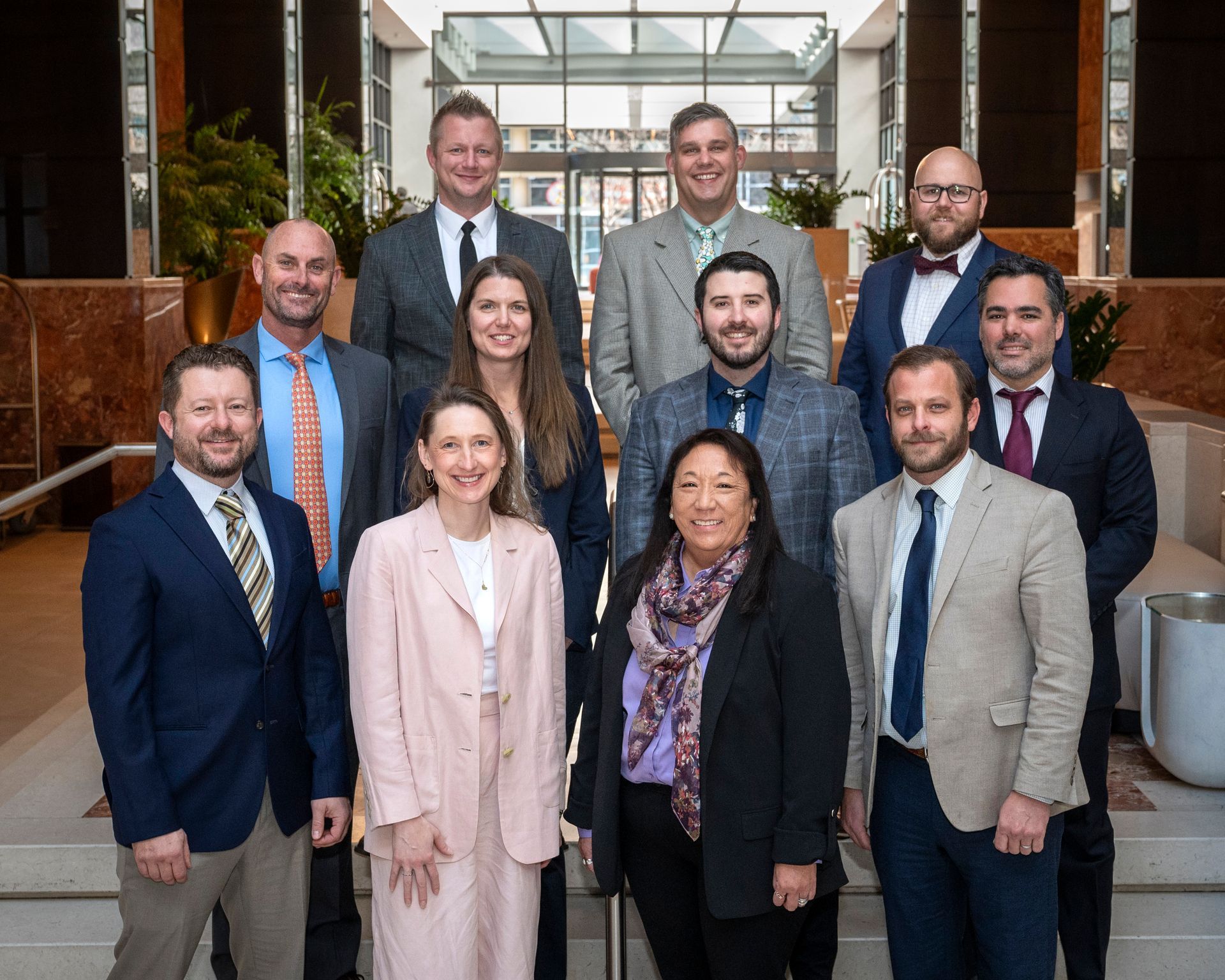
The Horticultural Research Institute (HRI), the AmericanHort Foundation, announces eleven new class members for the 2025 HRI Leadership Academy. The class will be introduced at Cultivate’24 being held July 13-16, 2024, at the Greater Columbus Convention Center in Columbus, OH.
Gain a comprehensive understanding of the Box Tree Moth Compliance Agreement, including its goals, implementation strategies, and the roles of various stakeholders. Attendees will also learn practical tips for complying with the agreement and mitigating the moth’s impact. Understanding the BTM Compliance Agreement - Join us for an in-depth webinar on the Box Tree Moth Compliance Agreement, designed to protect our boxwood plants from this invasive pest. Attendees will gain a comprehensive understanding of the agreement’s objectives, key provisions, and the roles of various stakeholders in its implementation. BTM Regulations and Regulated Areas - Explore the BTM regulations with a detailed analysis of how these regulations were designed to control this invasive pest, including an understanding of the BTM quarantines. Learn why these regulations are essential for protecting the nursery trade and the economy and how you can contribute to these efforts. What is the National Plant Board? A brief introduction to the National Plant Board and their role in BTM Compliance Agreements and other phytosanitary topics. Maintaining Training Records and What to Expect During Inspections - Learn why record-keeping is essential and gain an understanding of what to expect during BTM compliance inspections.
his educational session aims to equip nursery producers, gardeners, and plant health professionals with vital knowledge and strategies to combat the pervasive threat of Calonectria pseudonaviculata, the fungus responsible for the devastating boxwood blight. Boxwood blight, a serious concern for the horticulture industry, jeopardizes the health and viability of boxwood plants, significantly impacting the ornamental plant market. Addressing this issue, the webinar will delve into the critical control points in nursery production, emphasizing effective sanitation practices to prevent and manage the spread of this disease. Attendees of the webinar can expect to gain: An understanding of the lifecycle and spread of Calonectria pseudonaviculata. Insight into the latest research and developments in boxwood blight control. Practical guidance on implementing effective sanitation and preventive measures in nursery production. Strategies for identifying critical control points to mitigate the risk of boxwood blight in their operations. This webinar is essential for anyone involved in the cultivation, care, or management of boxwood
Are you seeking to fortify your expertise in identifying and managing Boxwood Tree Moth (BTM)? Watch the recording for an in-depth webinar focused on the nuances of BTM identification, lookalikes, controls, trapping, and scouting.
This webinar dives into the emerging nursery problem of Vascular Streak Dieback (VSD). In this session, experts will provide a comprehensive overview, sharing insights gleaned from surveys, research updates, and practical management strategies. From understanding the timeline of recognition to discussing the fungus associated with VSD, its range of hosts, and symptoms, our speakers will cover it all. Delve into the latest research findings on identifying causal agents, fungicide efficacy trials, and cultivar screening. Whether you're a nursery owner, researcher, or simply interested in plant health, this webinar offers valuable knowledge and a platform for addressing your queries. Join us as we tackle VSD head-on and explore effective management approaches to safeguard woody ornamentals.
The Horticultural Research Institute (HRI) is proud to announce the successful completion of its competitive grants application and review process for 2024, resulting in the selection of 13 impactful projects for funding. The total investment of $420,000 will be directed towards initiatives tackling a spectrum of green industry issues, including pest management, new technologies, marketing insights, and plant disease prevention. HRI's commitment to advancing horticultural research that challenges current methods and fosters collaboration between businesses and researchers remains at the forefront of its mission. The selected projects align with HRI's commitment to advancing horticultural research within its four strategic areas of focus: quantifying plant benefits, creating innovative solutions, gathering consumer insights, and producing practical and actionable solutions. This comprehensive approach ensures that the funded projects will contribute significantly to the advancement of the green industry on multiple fronts. Board President Leigh Geschwill expressed her enthusiasm for the selected projects, stating, "The diversity of the projects submitted during this year's application and review process continues to build the scientific building blocks the industry needs to succeed. The Horticultural Research Institute is confident that these projects will deliver actionable advice for green industry businesses throughout North America, ultimately contributing to the growth and resilience of our industry." Jennifer Gray, HRI Administrator, emphasized the significance of the projects in meeting the unique needs of the horticultural industry. "Innovation and research are the cornerstones of a thriving green industry,” stated Gray. “The projects selected for funding each play a key role in driving progress, addressing challenges, and shaping the future of the industry.” The funded projects are: Identifying the causal agent and predisposing conditions that facilitate vascular streak dieback in redbud F. Baysal-Gurel, Tennessee State University Vascular Streak Dieback (VSD) in redbud is an emerging problem that has caused significant economic loss to nursery producers in the Southeastern United States in recent years. Even though the causal agent(s) of VSD has not been confirmed yet, Ceratobasidium theobromae (CT) has been identified both molecularly and morphologically and has always been associated with VSD symptomatic redbuds. CT is exhibiting a fastidious growth, hence isolating, and maintaining pure cultures of the fungus, and, more importantly, conducting Koch’s postulate is considered challenging. As every delay in a proper understanding of this issue, means more crop loss and a greater risk of the spread of the potential pathogen to new locales, nursery growers are seeking for a definitive and prompt diagnosis. Understanding the causal agent(s) and the conditions that favor the disease development is the key to the effective management of this novel threat. This proposed project aims to address several grower concerns regarding VSD by understanding the causal agent(s), predisposing environmental factors, and cultural practices that can accelerate VSD-related symptom development. Consequently, the findings of this study will enhance the horticulture industry’s profitability and consumer satisfaction with a better understanding of this threat. Introgression of VSD resistance to Eastern Redbuds Hsuan Chen, North Carolina State University Redbud (Cercis spp.) is a valuable landscaping flowering tree, and easter redbud, C. canadensis, an east coast native species, is the most important one that has been in high demand because of its diverse ornamental traits. Vascular Streak Dieback (VSD), a wide-range infectious disease, has caused more and more damage in redbud production since 2020. This project aims to introgress the VSD resistance traits from a related species to eastern redbuds and to develop molecular markers for enhancing the breeding process. The long-term target of the project is to release VSD-resistant eastern redbud cultivars for the nursery industry. Sequencing lilacs to discover genes for remontancy Ryan Contreras, Oregon State University Remontancy, or reblooming, is a preferred trait for ornamental plants because the extra or continuous flower season increases economic value of plants for growers and ornamental value for consumers. In taxa with this trait such as azaleas, roses, hydrangea, and lilac, reblooming cultivars dominate the market. Therefore, breeders would like to increase development of this trait in new cultivars. To streamline breeding, we have been developing molecular tools to predict which seedlings will be reblooming. Using new sequencing technology, our team will assemble a high-quality genome of Bloomerang® lilac that will allow us to identify the gene(s) responsible for reblooming in lilac and other taxa. In the near term we will use these tools to improve traditional breeding. Future aspirations include using new information to facilitate biotechnological methods to introduce reblooming in taxa where it previously has been absent. Improving Reception: Better Detection of RFID Plant Labels with Drone Mounted and Handheld Readers R. Thomas Fernandez, Michigan State University This project will build on previously funded HRI research that investigated reading 9 different types of RFID labels at a commercial container nursery using an aerial drone mounted reader and a handheld reader that was walked through the plant beds. A total of 4,000 labels were used on 4 different plant types read every other month for 1 year. Labels were read at 95% or better for up to 7 of the label types depending on plant and dates with the handheld reader. 4 of these label types were read at 98% or better for all plants and all dates. Stake and loop-lock label types were the most effective, while adhesive labels were reading at 90% or less in most cases. Additionally, the power output needed for the payload and RFID reader for the drone reading system resulted in short flight times per battery charge that limited its effectiveness. Improvements made to the drone reading system for longer flight time and reader powering and improved label configurations based on the prior results will be evaluated for this round of funding to increase the effectiveness of the drone reading system and expand the range of label types. Improving detection and resistance screening of current bacterial pathogen threats to the geranium industry Jonathan Jacobs, Ohio State University Diseases caused by microbial pathogens limit geranium production through the development of symptoms undesirable to consumers or even complete losses from whole plant death. The geranium industry regularly suffers losses from the bacterial blight pathogen Xanthomonas hortorum pv. pelargonii. A new, destructive lineage of this pathogen emerged in 2022, and this project aims to create diagnostic tools for emerging X. hortorum pv. pelargonii and screen geranium germplasm for resistance. We will directly engage stakeholders and make our knowledge and tools publicly available to the industry. Improving Management of Rose Rosette Disease by Understanding Movement Behavior of Vector, Phyllocoptes fructiphilus Shimat Villanasery Joseph, University of Georgia The eriophyid mite Phyllocoptes fructiphilus transmits rose rosette virus to rose while feeding. This virus causes a serious disease in roses, referred to as rose rosette disease (RRD). The RRD and mites are common in ornamental landscapes. The mites can spread and threaten the container rose industry. This project is focused on understanding the temporal dispersal and determining the effects of water, nutrients, and insecticides on mite movement from the RRD symptomatic plants. National Green Industry Survey Melinda Knuth, North Carolina State University This survey is the 8th national green industry survey conducted by this team of researchers. The overarching objective of this national survey is to quantify the extent of on-going structural changes in the U.S. green industry. This year we will have three repetitions of data series (2014 and 2018) capturing key information from retail and landscape service firms (in addition to growers). With three iterations of the data, time series analyses of long-term behaviors in H2A, H2B, water rights issues, and IPM practices will be able to be observed. Specific primary objectives are to: (1) determine the production, management and marketing practices of wholesale and retail nursery firms related to labor, water, IPM practices, marketing, and other critical issues; (2) identify structural changes and economic trends in the nursery and greenhouse industry; and (3) evaluate regional competitiveness within the national green industry. Enhancing golden camellia’s accessibility and profitability by improving stem-cutting rooting rate and understanding its genetic diversity in USA Haiying Liang, Clemson University Cutting propagation is a widely used clonal approach to fix and maintain desired genotypes. However, some woody species notoriously have difficulty forming adventitious roots with this approach. This project investigates the effect of cutting length, leaf number kept on each cutting, and type of auxins and sugar solutions on the rooting rate of golden camellia, as well as the genetic diversity of the U.S. collection with molecular markers. Golden camellias are rare yellow-flowering camellia species. In addition to their aesthetic appeal, golden camellia flowers are valued for tea because they contain chemical compounds that may improve health. Driven by its scarcity and high ornamental value, golden camellias and their hybrids have a much higher market price and are sold out quickly each year. The project will provide knowledge to form rooting and breeding strategies for golden camellia in the floricultural industry. Optimizing the use of rice hulls in container nursery weed management programs Chris Marble, University of Florida Preemergence herbicides are the foundation of most container nursery weed control programs, but many growers have limited or no options due to crop safety issues, label restrictions, and other concerns. Many nurseries are now turning to parboiled rice hulls (PBH) as a herbicide alternative, but questions remain concerning how PBH interact and affect other production inputs and their long-term efficacy against a broad spectrum of weed species. This project will focus on optimizing PBH use in container nurseries by evaluating their efficacy against a broad spectrum of weed species, determining optimal depth and application timing relative to potting, longevity under nursery environments, and effects and interactions between PBH rice hulls and other inputs such as irrigation, fertilization, and preemergence herbicides. Overall, the aim of this project is to provide growers with the information they need to optimize their use of PBH and get the most value from their weed management programs. Evaluation of substrates for suppression of Phytophthora root and crown rot on greenhouse ornamentals Inga Meadows, North Carolina State University Wood substrate components are increasingly being used in place of peat in containerized production of herbaceous ornamentals. Despite an increase in their usage, little is known about how these components influence the incidence and severity of Phytophthora root rot, which negatively affects the production of herbaceous ornamentals nationwide. This research will evaluate the severity of Phytophthora root rot on petunia grown in media composed of different ratios of wood substrate and peat. Establishing a CRISPR/Cas9-based system for breeding crapemyrtle with improved cold hardiness Hongmin Qin, Texas A&M Despite its widespread popularity, crapemyrtle faces economic losses in harsh winter regions due to its low cold tolerance. This research project aims to employ CRISPR/Cas9 gene-editing technology to enhance its cold tolerance. The anticipated outcomes include advancements in gene-editing technology for crapemyrtle, with potential applications extending beyond the scope of crapemyrtle itself. This project is critical for breeding new cold-hardy cultivars, expansion of the market to colder zones. The findings will be presented through conferences, publications, and industry events to maximize the impact of this innovative research. Towards precision insecticide application for sustainable Green Industry practices by analyzing toxicity, sublethal- and low-dose effects on crapemyrtle bark scale through recording feeding behavior of insects on artificial diet Hongmin Qin, Texas A&M The Crapemyrtle Bark Scale (CMBS), an invasive pest, poses a significant threat to the green industry. Presently, managing CMBS infestations depends on neonicotinoid insecticides. The growing awareness of the detrimental effects of these insecticides underscores the crucial necessity for accurate application. This precision approach aims to optimize insecticide effectiveness and alleviate the environmental repercussions of systemic insecticides. The study will establish lethal, sublethal, and low-lethal concentrations of neonicotinoids for CMBS by utilizing insect life table and electrical penetration graph (EPG) assays. Our goal is to enable precise insecticide application, diminish environmental impact, and contribute to Integrated Pest Management (IPM) strategies tailored for CMBS in the horticultural sector. Mapping water risk for US nursery and greenhouse growers Sarah A. White, Clemson University Water security is a critical issue facing greenhouse and nursery producers in the US. Whether we are discussing drought or flooding - water security and weather extremes are becoming more common. This project will develop a visualization tool (map) that enables water risk mapping for greenhouse and nursery growers throughout the conterminous United States, enabling strategic planning at local, regional, and national scales. Ultimately, results from this project will help growers in forward planning and strategic investment of resources to manage, and hopefully mitigate, climate risk at the operational level. The HRI-supported projects will explore solutions to industry challenges, with a focus on sustainability, efficiency, and the overall well-being of the horticultural businesses. As the Horticultural Research Institute continues to support research, the impact of these projects is expected to extend to all segments of the industry. Applications for 2025 research grant funding are being accepted at HRI’s website now through May 31, 2024.
In a bid to delve deeper into the dynamics of the U.S. Green Industry, the Green Industry Research Consortium, comprising esteemed horticulturists and agricultural economists from various universities, is embarking on its 8th iteration of the National Green Industry Survey. Sponsored by HRI (Horticultural Research Institute), this comprehensive study aims to unravel the nuances of production, marketing, and retailing practices within the green sector. The survey, spanning a five-year timeline, serves as a critical barometer for measuring the industry. By soliciting insights from stakeholders across the nation, the Consortium endeavors to paint a vivid picture of evolving trends within the green industry. One pivotal aspect of the National Green Industry Survey lies in its capacity to track changes over time. From shifts in consumer preferences to advancements in cultivation techniques, the data gleaned from participants offers invaluable insights into the industry's trajectory. Furthermore, by analyzing current trends, researchers can anticipate future developments and strategize accordingly. At its core, this survey is not just an academic exercise; it holds significant implications for the horticultural industry. By quantifying the contributions of the green industry, from job creation to revenue generation, the findings serve as evidence of its economic significance. Moreover, this empirical evidence bolsters advocacy efforts and informs policy decisions at both the state and federal levels. The invitation to participate in this survey extends to all horticultural businesses. Whether you're a grower, retailer, or involved in any facet of the green supply chain, your input is invaluable. By completing the survey, you're not only contributing to a deeper understanding of the industry but also shaping its future trajectory. To participate in this survey, simply follow this link: National Green Industry Survey . Survey responses are due no later than May 1, 2024. In supporting initiatives like the National Green Industry Survey, HRI underscores its commitment to advancing knowledge and fostering innovation within horticulture. Together, through collaborative research efforts, we can cultivate a greener, more sustainable future for all.
The Boxwood Blight Insight Group (BBIG) invites horticulturists, researchers, and plant enthusiasts to join an insightful webinar titled, "In the Lab and the Landscape at the National Arboretum: Boxwood Genomics and AI Solutions for Blight Detection and Protection." This webinar will offer an exploration of the latest boxwood research from the National Arboretum, with a focus on the intersection of boxwood breeding, genomics, and machine learning.
Dr. Christopher Ranger - Research Entomologist·USDA Agricultural Research Service
The Horticultural Research Institute (HRI), the research and scholarship foundation of AmericanHort, extends its congratulations to the inaugural HRI Leadership Academy class for their dedication to personal and professional growth and successful completion of the program. The class spent the past year honing business acumen, building a toolbox of leadership strategies, diving deep into advocacy issues, learning the art of negotiation, and more. Now, as program graduates, they are eager to put the skills learned into practice in their businesses, their communities, and in the industry.
The Boxwood Blight Insight Group is pleased to host the next webinar in their on-going efforts to assist the industry manage boxwood health in the nursery and in landscapes.
Presented by Steve Foltz, Director of Horticulture, Cincinnati Zoo & Botanical Garden What happens when you mix a desire to support pollinator health with a passion for growing beautiful, high-performing plants? What if you then added in a commitment to sharing information with and assisting a community of gardeners? For more than two decades, the Cincinnati Zoo & Botanical Garden has trialed plants with the goal of determining what plants work best in the Mid-West region. Over the last three years, they’ve paid particular attention to which plants bring in and support the most pollinators. Their renowned plant trials and expertise, combined with their impressive position within the surrounding gardening community, has created a unique program where gardeners and pollinators work hand-in-hand helping the horticultural industry thrive. Join us for an exciting look into this unique program, the best pollinator plants, and the people behind it all with the Cincinnati Zoo & Botanical Garden’s own director of horticulture, Steve Foltz. Inspiring every visitor, every day with plants!
Thrips parvispinus may lack a universally accepted common name (some refer to it as Pepper Thrips, others as tropical tobacco thrips), but by whatever name you might call it, it is one destructive little pest. Native to the Asian tropics, T. parvispinus has been reported in or intercepted from five continents in the last 30 years and has a wide range of host plants including vegetable, fruit, and ornamental plants.
Boxwood producers and boxwood plantings are facing a new threat—the invasion of the box tree moth (BTM-Cydalima perspectalis), an invasive insect from East Asia. With total annual value of U.S. sales at an estimated $141 Million, boxwood is an important revenue source for plant producers. Boxwood plantings are among the oldest plantings in the United States, with living plants dating back to the 1700s. The triple threat of box tree moth on revenue for boxwood producers, on the viability of historic boxwood plantings, and on the health of boxwood plantings throughout North America makes this pest high-consequence. In this webinar, Dr. Jeanine West will provide background on the box tree moth best management practices developed in Canada, where the pest was first detected in 2018. Dr. Alejandro Del-Pozo will share updates from Western New York, where the pest was first detected in 2021, including phenology, biology, and ecology. Phenology of the Box Tree Moth in Western New York This presentation, led by Dr. Alejandro Del-Pozo, will discuss the data collected on this invasive pest in Niagara County, New York from June to October in 2022. A Virginia Tech research team documented the fluctuation of densities for this insect utilizing adult trapping and visual examinations. Additional field observations on the biology and ecology of this insect in its new US invasive range will be shared during this presentation. Managing BTM in the Nursery Immediately following the first report of BTM in Toronto, Canada, the nursery growers’ association formed a best management practices document. Over the last few years, these “BMP’s” have evolved along with the science, and nurseries across Canada are using this information to guide BTM management and/or prevention at their farms. Dr. Jeanine West will share experiences and challenges of boxwood producers in the regulated area
Proposals Accepted Through June 1, 2023
Nearly $50,000 in Scholarships Available; Application Deadline is June 1, 2023
The Horticultural Research Institute (HRI) held its annual winter donor recognition reception in conjunction with the 2023 Mid Atlantic Nursery Trade Show (MANTS) in Baltimore, MD in January. Over 150 supporters joined the event to honor HRI’s impact and accomplishments and raise funds to support future growth. The reception recognized more than $350,000 in donations received prior to the end of the year and during the reception. These critical funds will support research fostering business-building knowledge for the horticultural industry and scholarships for students pursuing careers in the green industry. Of note, several new named funds were added to the endowment. Jim Eason, Eason Horticultural Resources, Ft. Wright, KY announced the establishment of a named fund in honor of his family. Alan Jones, Manor View Farms, Monkton, MD, announced the creation of a new scholarship fund in honor of his family and business. Mark and Jolly Krautmann of Heritage Seedlings and Liners, Salem, OR, were also present to announce their gift of $25,000 to honor the many people and relationships they have fostered in what Mark calls the craft of horticulture. They challenged the room to match their gift and within minutes another $15,000 was raised for the Craig Regelbrugge – Advocates for Horticulture Fund. Monies raised from the donations made during events like this, and throughout the year, fund the activities of the Horticultural Research Institute’s research and scholarship programs, along with educational outreach activities for the organization. HRI was established by industry leaders on the premise that no one could better direct needed research to advance horticulture than the very people who work in it, day in and day out. Over 60 years, HRI has been shepherded by volunteer board members who have lived that mission—building and growing HRI’s reach, influence, and impact. At its January board meeting also held at MANTS, HRI welcomed five new mission-minded trustees to its board: Shane Brockshus, Bailey Nurseries, MN; Jim Eason, Eason Horticultural Resources (EHR), Ft. Wright, KY; Mike Hiller, KCK Farms, Dayton, OR; Matt Sawyer, Bennett’s Creek Nursery, Smithfield, VA; and Lloyd Traven, Peace Tree Farm, PA. These five new trustees join Ed Bemis, Bemis Farms Nursery, Spencer, MA; Peter Mezitt, Weston Nurseries, Hopkinton, MA; Ryan Overdevest, Overdevest Nurseries, LP, Bridgeton, NJ; John Rausch, Star Roses & Plants, West Grove, PA; Mark Reiner, Oakland Nursery & Acorn Farms, Columbus, OH; Ben Rough, J. Frank Schmidt & Son Co., Boring, OR; Bennett Saunders, Saunders Brothers, Piney River, VA; and Maria Zampini, UpShoot LLC, Fairport Harbor, OH. New board leadership for 2023 was announced including Board President Brian Decker, Decker’s Nursery, Groveport, OH; Immediate Past President Alan Jones, Manor View Farm, Monkton, MD; and President-Elect Leigh Geschwill, F and B Farms and Nursery, Woodburn, OR. Ed Tankard, Tankard Nurseries, Exmore, VA, was elected to serve on the executive committee alongside Jonathan Berry, J Berry Nursery, Grand Saline, TX and Mark Yelanich, PhD, Metrolina Greenhouses, Huntersville, NC. Dan Batson, GreenForest Nursery, Inc., Perkinston, MS will continue to serve as treasurer, Harvey Cotten, Horticultural Consultant & Author, Huntsville, AL will continue to serve as development committee chair, and Bob Couch, Dayton Bag & Burlap, Dayton, OH will continue to serve as investment committee chair. Ken McVicker, Woodburn Nursery, Woodburn, OR, concluded his time of service with HRI’s trustees as immediate past president in 2022. HRI is deeply grateful for his long-time commitment and dedication to its mission and the green industry.
An industry icon and a dear friend of HRI, Peter Orum, has at long last written his memoir, People, Plants, and Politics. Now, for a limited time and with limited availability, Mr. Orum has pledged that proceeds from book sales will be donated to HRI. Between now and March 31, for the first 100 orders, you can support HRI while taking in the story of Peter’s remarkable journey from Denmark to the U.S., from the army to the board room, and from being a mentee to being a mentor—and a friend to many.
The Horticultural Research Institute (HRI) announces nearly $408,000 in grant support for 14 projects working to tackle green industry issues ranging from pest management to new technologies, from developing marketing insights to battling plant diseases. “Research is essential to accelerating business growth,” said Brian Decker, HRI board president and president of Decker’s Nursery, Groveport, Ohio. “HRI is committed to supporting research in the priority areas of quantifying plant benefits, creating innovative solutions, gathering consumer insights, and producing practical and actionable solutions. The projects selected through our competitive grants program for funding this year meet the unique needs of the horticultural industry—and will provide solutions and knowledge that can help grow businesses.” The Horticultural Research Institute’s mission is to direct, fund, promote and communicate horticulture research. Supporting research that challenges current methods and bridges the divide between businesses and the consumer is exactly how HRI helps build prosperous businesses, advance the green industry and fulfill its core vision. “The 2023 investment in each of these projects is intended to improve and strengthen the industry,” said Jennifer Gray, HRI administrator. “Research is critical to the future of our industry, and thanks to the support of our dedicated donors, HRI is able to fund promising research and researchers every year.”
The initiative, made possible by funding from AmericanHort, offers a year-long, immersive leadership training program for leaders at all levels.
Presented by Iryna Matsiakh - Doctor of Biological Science - Swedish University of Agricultural Sciences Iryna Matsiakh will be rounding out our seminar series with a talk on the unique boxwood forests (Buxus colchica) in the Caucasus: their habitat, ecology and biodiversity. Dr. Matsiakh is Dr. in Forestry at the Swedish University of Agricultural Sciences, Southern Swedish Forest Research Centre and in the Forestry Department of the Ukrainian National Forestry University. Boxwood trees growing in the Caucasus Mountains are threatened by habitat loss and defoliation by an introduced disease, boxwood blight, and an introduced insect, the box tree moth Cydalima perspectalis. Dr. Matsiakh’s story will include invasive species introductions, actions taken by forestry authorities against box tree moth, research studies and the current situation in boxwood forests.
This presentation takes a closer look at flower morphology and diversity as it relates to pollination. Various systems used by flowers to facilitate pollination are described. Special attention is given to adaptations in flower morphology designed to attract and interact with general or specific pollinators. Flowers signal pollinators with nectar guides, trick insects into visiting flowers by mimicking other organisms, lure pollinators into traps and even have moving floral parts. If you look closely, you can see the magic in flowers.
The Horticultural Research Institute is invested in helping the industry understand and navigate the ever-changing environment of boxwood health. HRI continues to guide research, monitor results, and provide an expanding toolbox of resources on boxwood health directly to the industry. Although boxwood blight continues to challenge the industry, research is making it possible for growers and landscapers to better manage the disease, produce blight-free plant stocks, and build resilience into production and plantings.