
UMass Amherst Student Awarded 2024 Timothy S. and Palmer W. "Bill" Bigelow, Jr. Scholarship
COLUMBUS, OH – The Horticultural Research Institute (HRI) is proud to announce Dante Filadoro as the 2024 recipient of the Timothy S. and Palmer W. "Bill" Bigelow, Jr. Scholarship. Established in 1988 by the Bigelow family, this scholarship aims to support students from New England pursuing careers in horticulture, honoring the memory of Timothy Bigelow and celebrating the legacy of Palmer W. "Bill" Bigelow.
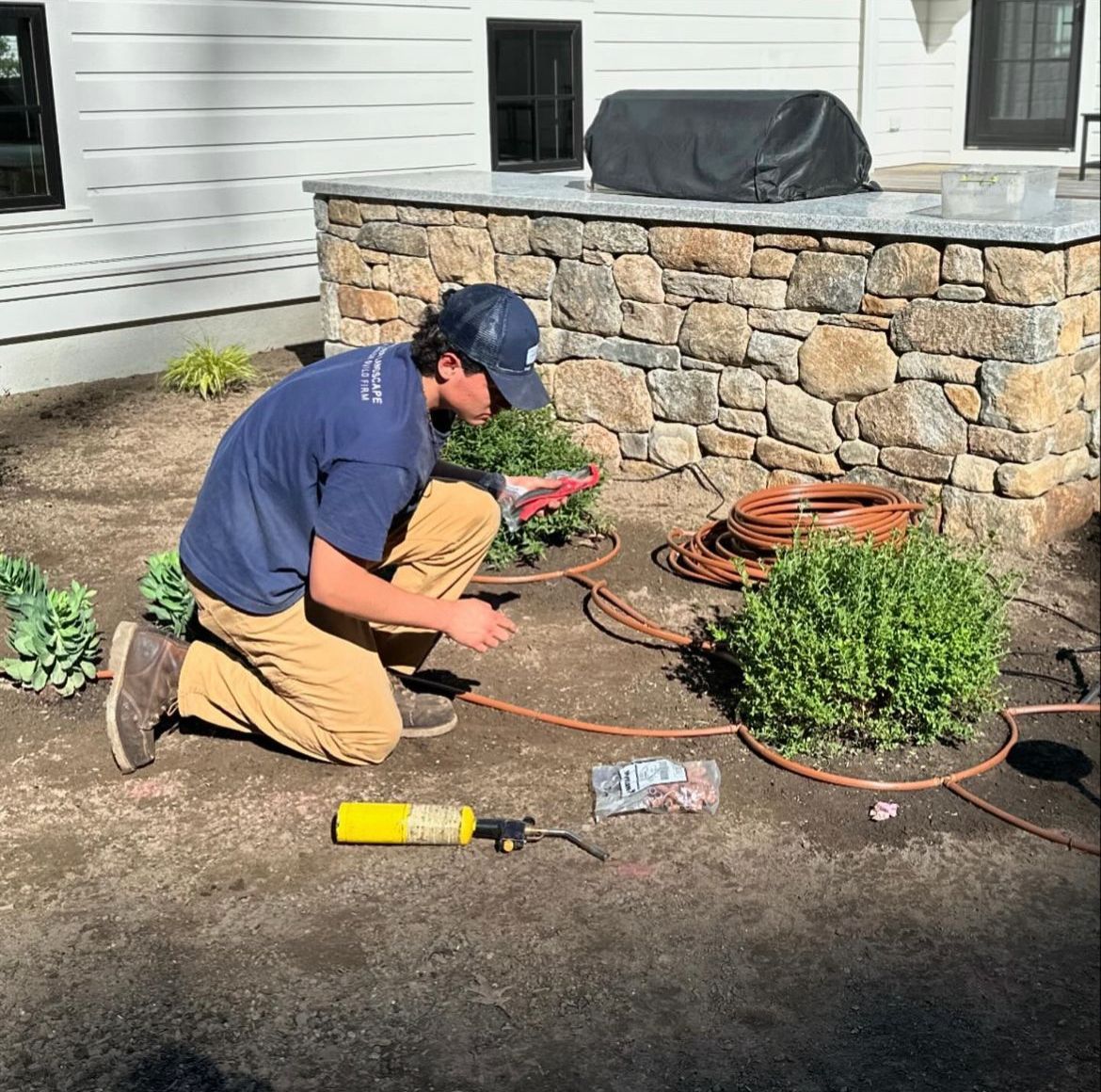
Dante Filadoro, a junior at the Stockbridge School of Agriculture at UMass Amherst, is pursuing a bachelor’s degree in Turfgrass Science and Management after completing his associate degree in Landscape Contracting. A dedicated member of Alpha Tau Gamma, an agricultural fraternity, Dante combines his horticultural studies with community service and hands-on industry experience, regularly participating in landscaping projects like cleanups at local fire and police stations to support his community. His academic commitment earned him the James Edward Mulcahy Freshman Excellence Award, and he aspires to launch his own landscaping business to create sustainable, beautiful outdoor spaces that enhance people's lives.
Patricia Bigelow, President of Bigelow Nurseries, Inc., expressed her enthusiasm for the scholarship recipient, stating, “We could not be more delighted to support Dante Filadoro with this scholarship. His dedication to both his studies and community service embodies the values we hold dear at Bigelow Nurseries. We believe that investing in students like Dante is crucial to ensuring the growth and development of the nursery and landscape industry for years to come.”
The Timothy S. and Palmer W. "Bill" Bigelow, Jr. Scholarship reflects the Bigelow family’s commitment to fostering the next generation of horticulture professionals. Eligible applicants must be residents of one of the six New England states—Connecticut, Maine, Massachusetts, New Hampshire, Rhode Island, or Vermont—though attendance at an institution within these states is not mandatory. Preference is given to those planning to work in the nursery and landscape industry after graduation, including the desire to own a business.
HRI, established in 1962, has granted over $10 million in scholarships and research grants, supporting the next generation of horticulture professionals. HRI’s scholarship program offers financial assistance to students who demonstrate a commitment to a career in the green industry, ensuring the vitality and growth of horticulture. To learn more about HRI's scholarship program, including the Timothy S. and Palmer W. "Bill" Bigelow, Jr. Scholarship, visit HRI Scholarship Application and Resources.
Share This Post