
Ralstonia Webinar: What You Need to Know

HRI Research • May 29, 2020

Ralstonia solancearum race 3 biovar 2 (R3B2), a federal quarantine pest, was recently confirmed in a single geranium variety in a greenhouse in Michigan, the first confirmed case in the US since 2004. Diseased geraniums planted in the landscape can potentially infect other plants, including tomatoes, potatoes, peppers, and eggplant and must be destroyed.

Since the detection was confirmed, AmericanHort has collaborated with the importer of the geranium and with USDA APHIS toward the goal of a rapid, targeted, and effective response that minimizes unnecessary interruption.
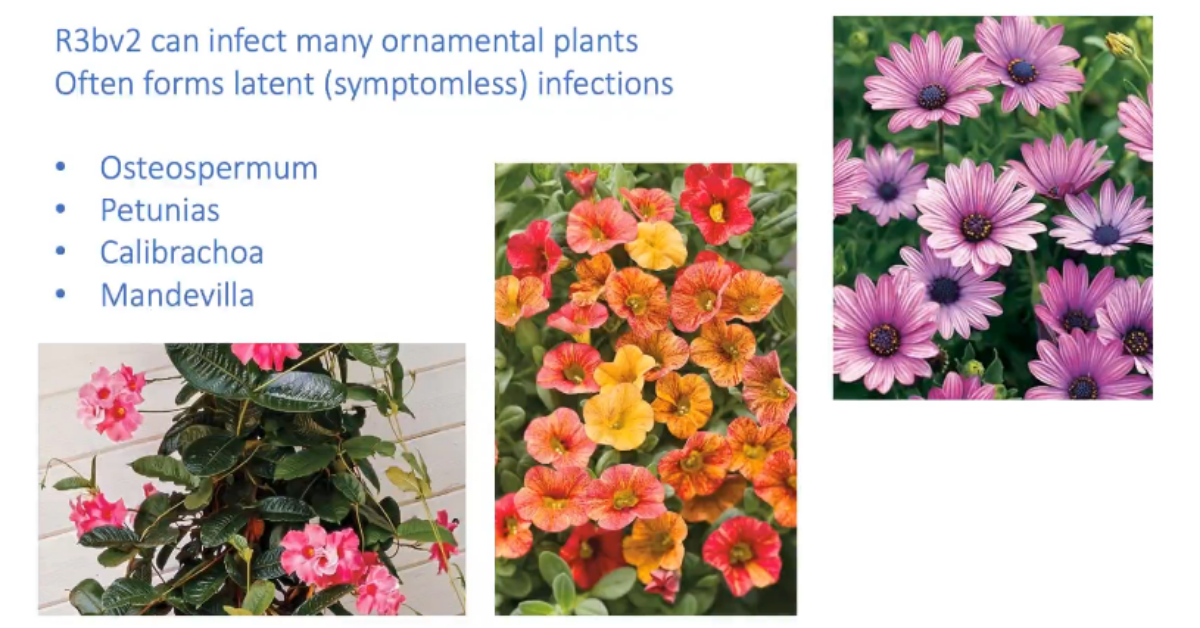
HRI is proud to join this effort and host a webinar on the basics of R3B2, such as how it spreads and prevention strategies, to help educate the green industry. APHIS will be on hand to discuss the recent action plan, and Ball Horticultural Co will share their story.

AGENDA & SPEAKERS

  • Welcome & Introductory Remarks
    Dr. Jill Calabro, HRI/AmericanHort Science & Research Director
     
  • Ralstonia Basics & Prevention Strategies
    Dr. Caitilyn Allen, the Ethyl and O.N. Allen Professor, Department of Plant Pathology, University of Wisconsin-Madison
    Slide Deck
     
  • APHIS Action Plan
    Dr. Matthew Royer, Associate Deputy Administrator Field Operations USDA APHIS PPQ
    Slide Deck
     
  • Ball Horticultural Co. Update
    Dr. Mike Klopmeyer, President Ball FloraPlant
    Slide Deck

Share This Post
By Jennifer Gray • October 12, 2026
Urban landscapes can be important refuges for native bees and other pollinators. This talk covers why bees are critical for biodiversity and food security, why bee populations are declining, and how the gardening public can help by incorporating woody landscape plants to provide nectar, pollen, nesting sites and materials, and other resources. Following a brief overview of pollination ecology, we’ll “meet the bees”, and then discuss recent HRI-funded research that identified top native and non-native “bee magnets” amongst woody ornamental plants. The talk also explains why artificial bee “hotels” can become death traps and suggests better ways to create bee nesting sites through ordinary gardening practices. Attendees will receive PDF handouts and other information helpful for teaching others about the best trees and shrubs for bee conservation.
Horticultural Research Institute tHRive web series logo with green, red, and yellow icon
By Jen Gray • August 12, 2026
CABI and USDA APHIS are collaborating on the biological control of the box tree moth using parasitoids from Asia. Several parasitoid species are currently under consideration for introduction into North America and Europe. One of these parasitoids arrived in Europe on its own and has begun controlling the moth on both planted trees and in wild boxwood stands. The webinar will describe the spread and impact of this adventive parasitoid in Europe and present efforts to assess the potential of this species and others as biological control agents in North America.
HRI Leadership Academy logo with multicolored flower icon and text “An AmericanHort & HRI Initiative”
By Jennifer Gray • June 30, 2026
Meet the HRI Leadership Academy Class of 2027. This intensive year-long program equips green industry leaders with strategic insight and business acumen.
Show More